We’ve all seen it. The calendar hits mid-November, or a surprise flash sale goes viral, and suddenly the "Peak Season Panic" sets in.
In the world of logistics, e-commerce surges aren't just a challenge: they are an operational stress test. When parcel volumes double overnight, the cracks in fragmented systems don't just show; they widen into chasms.
For most organizations, the response to a surge is reactive: panic hiring. You bring in temporary labor, scramble to onboard them, and hope that "more bodies" equals "more throughput." But as any logistics manager knows, throwing people at a broken process usually just results in more expensive chaos.
This is Part 7 of our Workforce Integration Network (WIN) series. Today, we’re looking at how moving from "panic hiring" to "coordinated elasticity" changes the game during e-commerce spikes.
The Fragmentation Trap: Why Surges Feel Like Crises
The problem with e-commerce surges isn't the volume of goods; it’s the fragmentation of the people moving them.
When a surge hits, execution typically breaks down at the handoffs:
- The Onboarding Lag: It takes weeks for new hires to understand tribal knowledge. In a surge, you don't have weeks.
- The Accountability Gap: With so many temporary players, tracking who is responsible for what (and when) becomes a full-time job.
- The Data Black Hole: If your trucking partners, warehouse teams, and ground handlers aren't on the same page, the physical freight stops moving while people wait for emails to be answered.
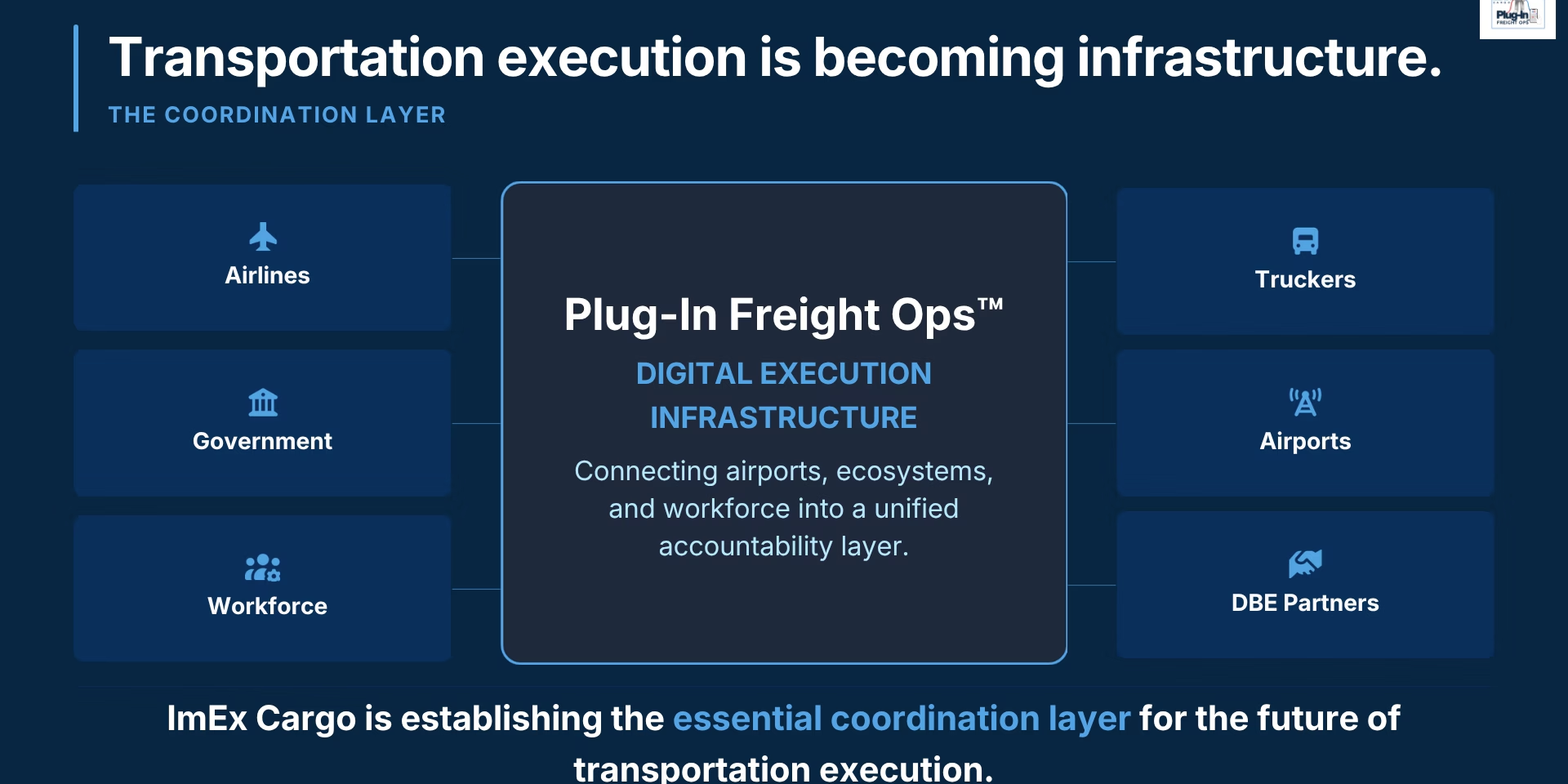
At ImEx Cargo, we’ve seen that the organizations that "ride the wave" instead of drowning in it are the ones that have built a digital execution layer above their operations.
Elasticity: The Power of a Connected Network
True elasticity isn’t just about having more people; it’s about having a connected workforce network that can scale up and down without friction.

Through our Plug-In Freight Ops™ platform, we activate the WIN (Workforce Integration Network). This isn't a temp agency: it’s a pre-vetted, digitally coordinated ecosystem of logistics professionals, DBE partners, and workforce pipelines that are already "plugged in" to a standardized workflow.
When you need to scale, you aren't starting from scratch. You are activating a network that already speaks the same operational language.
1. Standardized Execution (Eliminating the Learning Curve)
In a peak season surge, you can’t afford a seven-day training program for every new pallet handler or dispatcher.
By using a unified execution layer, the workflow: from quote to booking to tracking: is standardized. Whether you are dealing with a permanent employee or a partner from the WIN network, the process is the same.
This reduces "execution friction" by:
- Moving away from paper-based "tribal knowledge."
- Providing clear, digital handoffs at every stage of the shipment lifecycle.
- Ensuring compliance and security protocols are baked into the workflow, not treated as an afterthought.
2. Coordination Across Multi-Stakeholder Environments
E-commerce delivery is rarely a solo act. It involves airlines, GSAs, freight forwarders, and trucking providers.

During a surge, communication usually happens via frantic phone calls and "Where is my freight?" emails. A connected network replaces this with a single coordination layer.
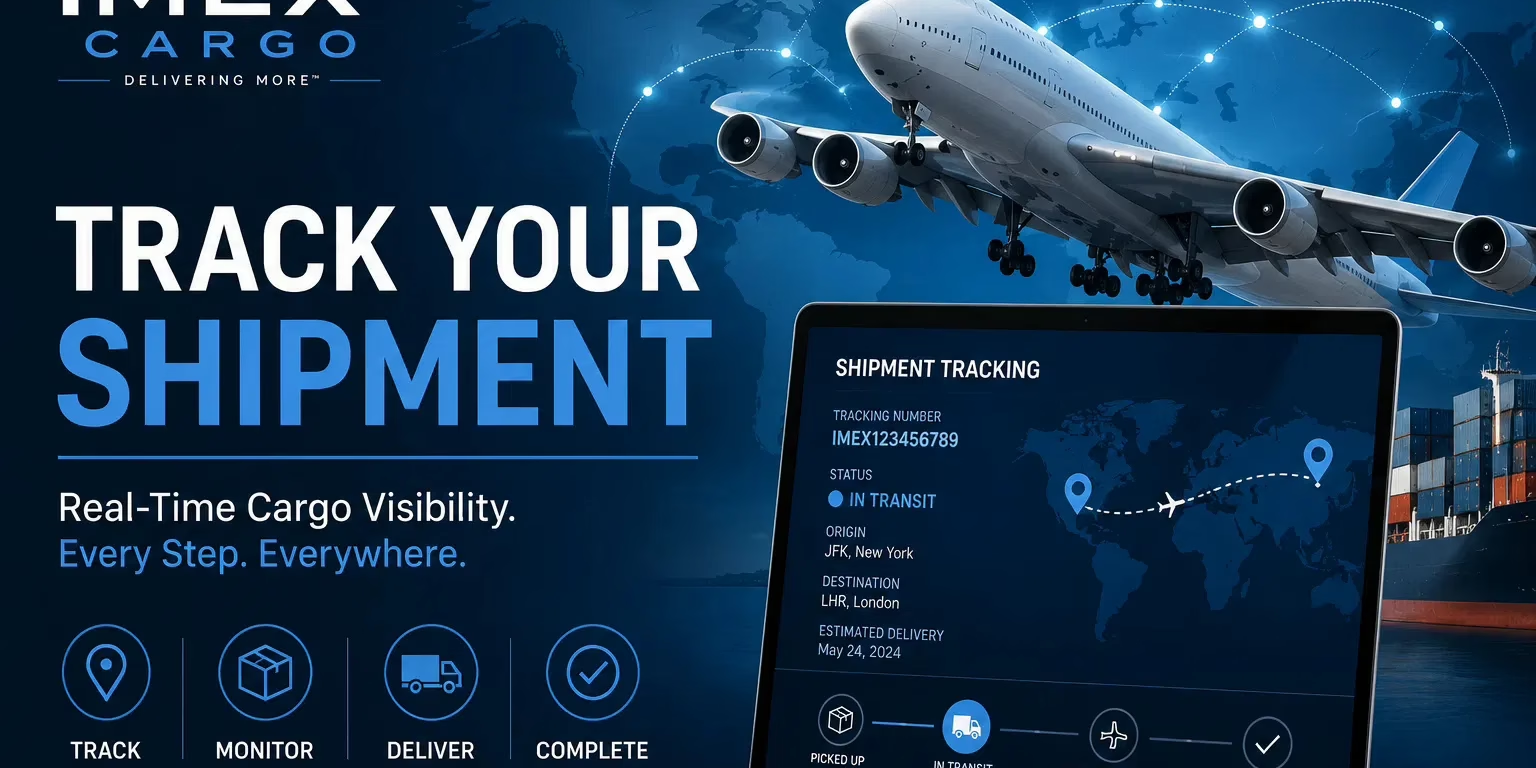
When everyone: from the warehouse team to the airport ground handlers: is looking at the same real-time visibility, the "panic" disappears. You aren't searching for information; the information is pushed to the right stakeholder at the right time.
3. Visibility and Partner Accountability
Panic hiring often leads to a drop in performance. When people are rushed, mistakes happen.
In the WIN model, every partner and participant is accountable within the system. The platform tracks handoffs and performance metrics in real-time. This means that even during the busiest week of the year, you have an audit-ready trail of every movement.
If a delay happens at the airport gate, you don't find out three days later when a customer complains. You see it as it happens, allowing you to re-route or adjust before the ripple effect ruins your delivery KPIs.

Moving from Reactive to Proactive
The ultimate goal of the WIN series is to shift logistics from a reactive "firefighting" mode to a proactive execution mode.
Think about your last peak season:
- How much did you spend on expedited shipping to fix mistakes?
- How many hours did your core team spend on "coordination" rather than strategy?
- How much "risk" did you carry because of unvetted temporary labor?
By "plugging in" to a coordinated network, those costs aren't just reduced: they are designed out of the system.
Why It Matters for Infrastructure and Government Programs
While e-commerce is the most visible example of a surge, the same principles apply to large-scale infrastructure projects or government-led transportation programs.
When a project moves from planning to execution, there is a massive "surge" in labor and logistics requirements. Using the WIN network allows prime contractors and agencies to meet these needs while hitting DBE participation goals and maintaining strict federal compliance.
It’s about having the right people, in the right place, coordinated by the right system.

Ready to Ride the Wave?
The next surge is coming. Whether it's the holiday season, a new product launch, or a major infrastructure milestone, you have two choices:
- Panic: Scramble for labor, hope the systems hold, and pay the "fragmentation tax."
- Plug In: Activate a coordinated network that scales with you.
At ImEx Cargo, we don't just ship freight; we orchestrate execution. We typically address these challenges through a focused pilot program where we map the WIN network to your specific operational environment.
Let’s talk about how to make your next surge your most efficient one yet.
Contact us today to walk through a pilot for your operation.