Industry shift: Freight execution crosses company boundaries
A shipment can be visible in several systems and still be operationally unowned.
That gap appears when responsibility moves from one organization to another: a forwarder releases freight to a handler, an airline transfers cargo to a trucking provider, or a contractor depends on a supplier to complete a project milestone. Each party may have its own records, procedures and view of the shipment. The transition between them is where context can be lost, and where the next action can become unclear.
Digitizing a status update does not, by itself, establish that a handoff has been accepted. Nor does it necessarily show who is responsible for resolving a discrepancy. A freight handoff is more than a message between systems. It is a change in operational responsibility that needs to be understood across the organizations involved.
The industry is making progress on shared information. In its December 2025 ONE Record survey, IATA reported that more than 70% of respondents were aware of the standard and nearly 50% indicated readiness. IATA also reported more than 30 active pilots at the time, spanning use cases such as tracking, booking exchange and customs updates. These findings show growing interest in interoperability, while also pointing to a continuing need for operational coordination. (IATA survey and pilot examples)
Execution layer: Information needs accountable ownership
Data standards and visibility platforms are important parts of freight digitization. IATA describes ONE Record as the preferred data-sharing standard for air cargo from January 1, 2026. Standards can help participants exchange information more consistently; visibility platforms can make shipment status easier to see.
Those capabilities complement the work of managing execution. They do not automatically determine who owns the next action, whether a receiving party has accepted responsibility, or how an unresolved issue is carried forward. Visibility answers an important question: what is happening? but coordination must also address who is accountable for what happens next?

A digitally managed handoff should make the transfer of responsibility understandable to the parties involved. At a business level, that means the record of an operational transition should help clarify:
- Who is releasing the shipment or task?
- Which party is expected to receive responsibility?
- What confirms that the transition has been accepted or remains unresolved?
- Who is accountable for the next action when the transfer is incomplete?
These are coordination principles, not a substitute for each organization’s operating procedures or contractual responsibilities. Their value is in reducing ambiguity between those procedures, especially when multiple companies contribute to one shipment’s progress.
The distinction matters during exceptions. A delay may be visible, but visibility alone does not identify who should address it. A handoff record that preserves the status of the transfer and the parties’ responsibilities gives participants a clearer basis for follow-up, escalation and review. It also supports a more complete account of what happened across organizational boundaries.
Network view: One movement, many operating environments
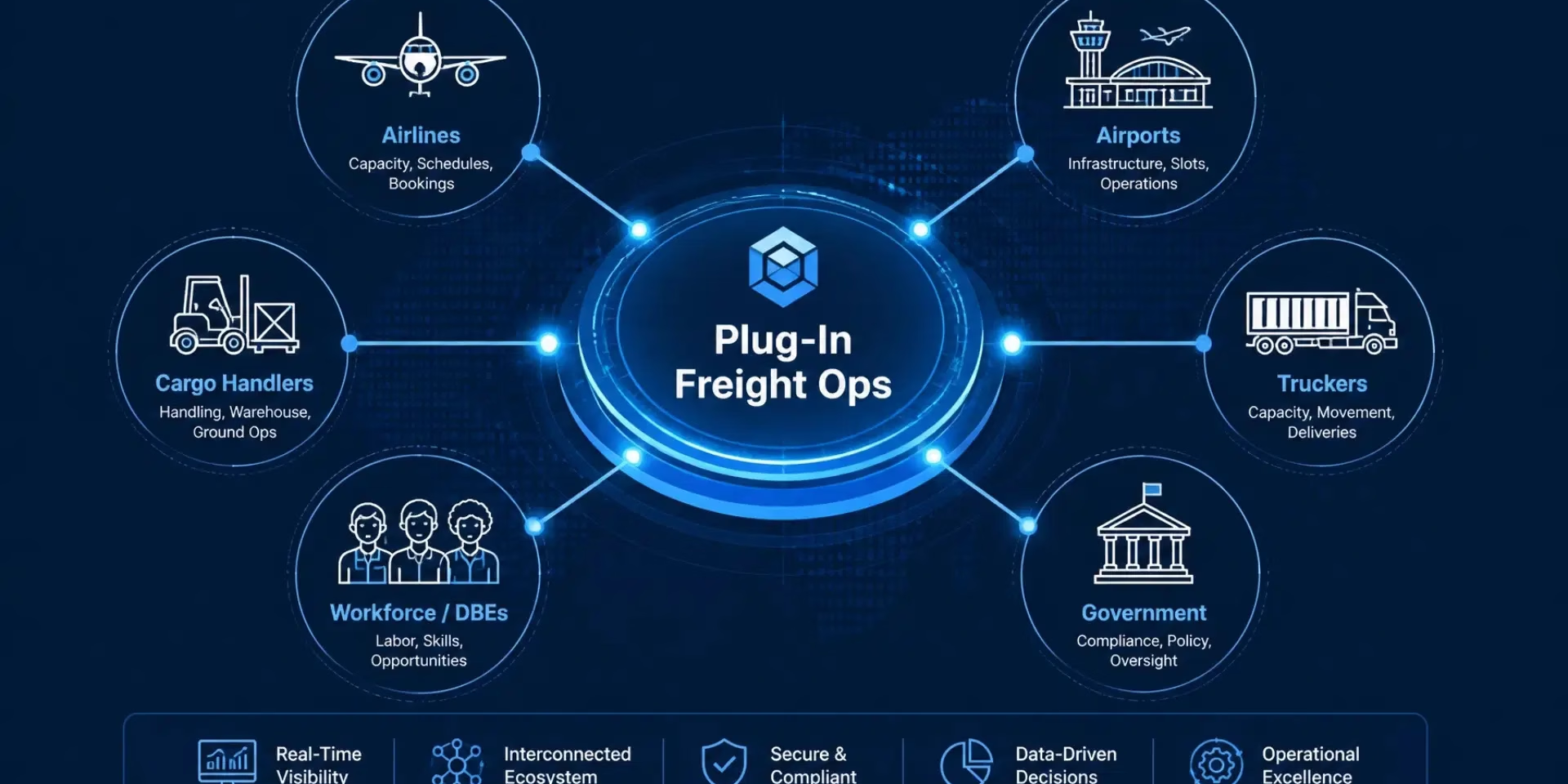
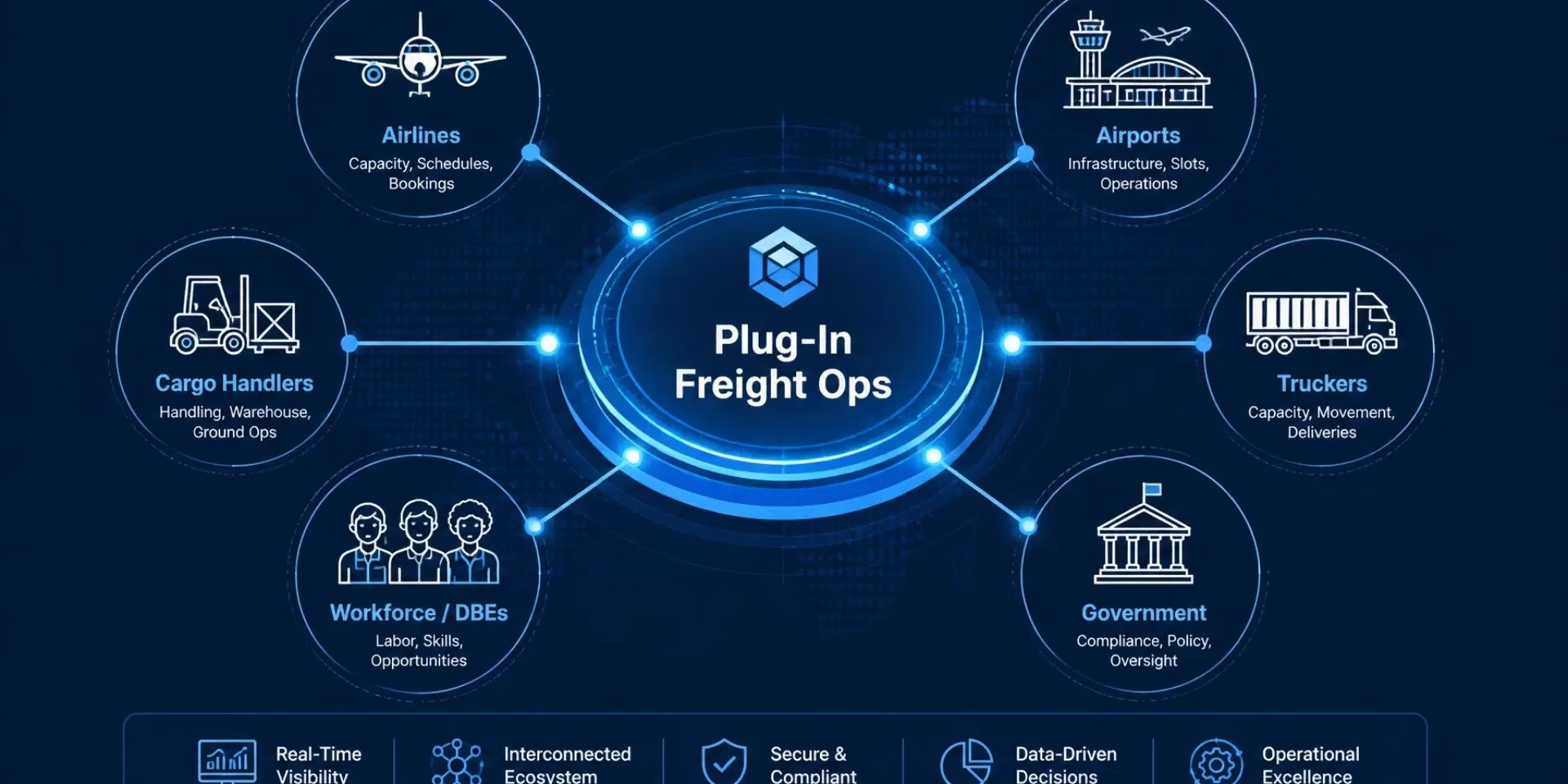
Air cargo provides a clear example of why handoffs deserve particular attention. A movement may involve a freight forwarder, airline or GSA/GSSA, ground handler, airport, trucker, customs participants and the consignee. Each organization contributes to execution, but no single participant necessarily controls the entire sequence.
A shared data standard can make information easier to exchange across this network. A visibility platform can help participants understand shipment status. Existing systems remain important records for the organizations that use them. These capabilities work alongside an execution approach that makes handoff ownership and confirmation clearer; they are not interchangeable.
The wider network is also changing. Air Cargo Week reported Kales Group CEO Sebastiaan Scholte’s estimate that GSSA share of cargo sales rose from 24% to 27%. CAAS also reported the figure. It is an unaudited estimate, and it describes GSSA sales share, not digitalization or handoff performance. (Air Cargo Week · CAAS) The relevant operational point is that changing roles and partner networks make clear responsibility at company boundaries increasingly important.

Use cases: Where digital handoffs matter
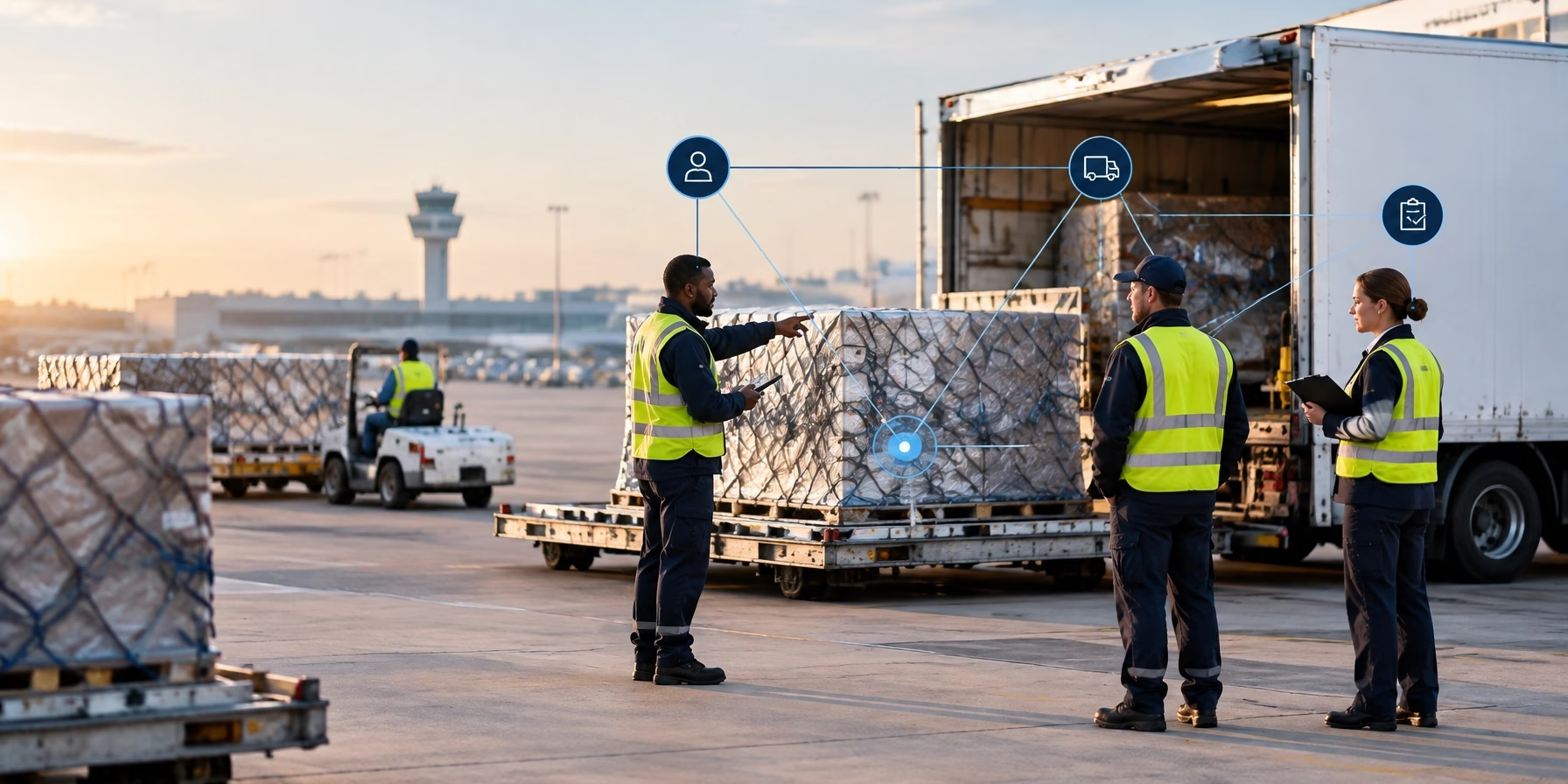
Airline, handler and trucking transitions. An arrival or availability update may be visible to several parties, but the next steps still depend on coordination among the airline, handler and trucker. Clear handoff accountability helps participants distinguish information about status from confirmation that responsibility has moved.
Forwarder-to-airline data exchange. ONE Record pilots include work on booking exchange and end-to-end tracking. More consistent shared information can support coordination between forwarders and airlines, while operational teams still need clarity about who owns the next action when a transfer is pending or a problem arises.
Infrastructure and public-sector programs. Projects may bring together prime contractors, public agencies, trucking providers and certified DBE partners. A shared view of milestones can support oversight, but execution also depends on making partner responsibilities and completion evidence visible across organizations.
The PIFO Knowledge Hub offers a broader reference on digital freight infrastructure, execution layers, standards and cross-company handoffs.
Pilot path: Start with a consequential boundary
A focused pilot discussion can begin with one recurring handoff where unclear ownership creates operational risk or repeated follow-up. The goal is not to redesign every participant’s systems. It is to understand the operational boundary: which organizations are involved, what constitutes a completed transfer, and where responsibility becomes difficult to see or confirm.
Useful questions include:
- Where does responsibility move between organizations?
- What information do the receiving and releasing parties need to share?
- How are incomplete or disputed transfers currently handled?
- What evidence would make the handoff easier to review?
A pilot can then assess whether a shared execution approach fits the operation and whether participants can establish a common understanding of ownership and completion. The scope should remain grounded in a real workflow and the evidence available to those involved.
Conclusion: Coordinate the transfer, not just the status
Freight execution crosses organizational boundaries, and the handoff is where responsibility changes. Standards and visibility platforms are essential complements: they can carry and present information. But successful coordination also requires clear ownership, confirmation and accountability at the point where one party’s work becomes another’s responsibility.
Plug-In Freight Ops™ is ImEx Cargo’s digital execution infrastructure concept for coordinating workflows across fragmented, multi-stakeholder environments without replacing participants’ existing systems. For organizations examining a recurring handoff, a focused pilot conversation can help determine whether a coordination layer fits the operational need.
About Michelle DeFronzo
Michelle DeFronzo is Founder & CEO of ImEx Cargo and creator of Plug-In Freight Ops™. She brings more than 30 years of experience across air cargo, airline GSA/GSSA operations, freight forwarding, trucking, government contracting and supplier diversity. She founded ImEx Cargo in 2000, building her expertise where logistics demands clear ownership, coordinated handoffs and accountable execution.
Through ImEx Cargo Academy and workforce-development initiatives, she is also connecting industry needs with workforce readiness. Her articles draw on practical operating experience to examine cargo execution, digital infrastructure, partner accountability, supplier diversity and the workforce supporting the industry.