There is a common myth in the logistics world: that the “AI revolution” is about replacing the people on the ground.
If you’ve ever spent a day on a cargo ramp or managed a multi-stakeholder infrastructure project, you know why that myth doesn’t hold water. Logistics is messy. Weather shifts, equipment breaks, and handoffs between airlines, truckers, and handlers are rarely as “seamless” as a marketing brochure claims.
At ImEx Cargo, we believe the future of freight isn’t fully autonomous: it’s augmented.
In Part 5 of our WIN (Workforce Infrastructure Network) series, we’re looking at why our Plug-In Freight Ops™ platform focuses on giving humans a better “dashboard” rather than trying to take the wheel away.
The Problem with the “Set It and Forget It” Mentality
Many AI tools are designed to solve problems in a vacuum. They can optimize a route or predict a delay, but they can’t negotiate with a handler at 2:00 AM when a specialized piece of equipment fails.
Execution breaks down when technology ignores the human factor. When a system simply “flags” an error without giving the operator the context or the tools to fix it, it’s not helpful: it’s noise.
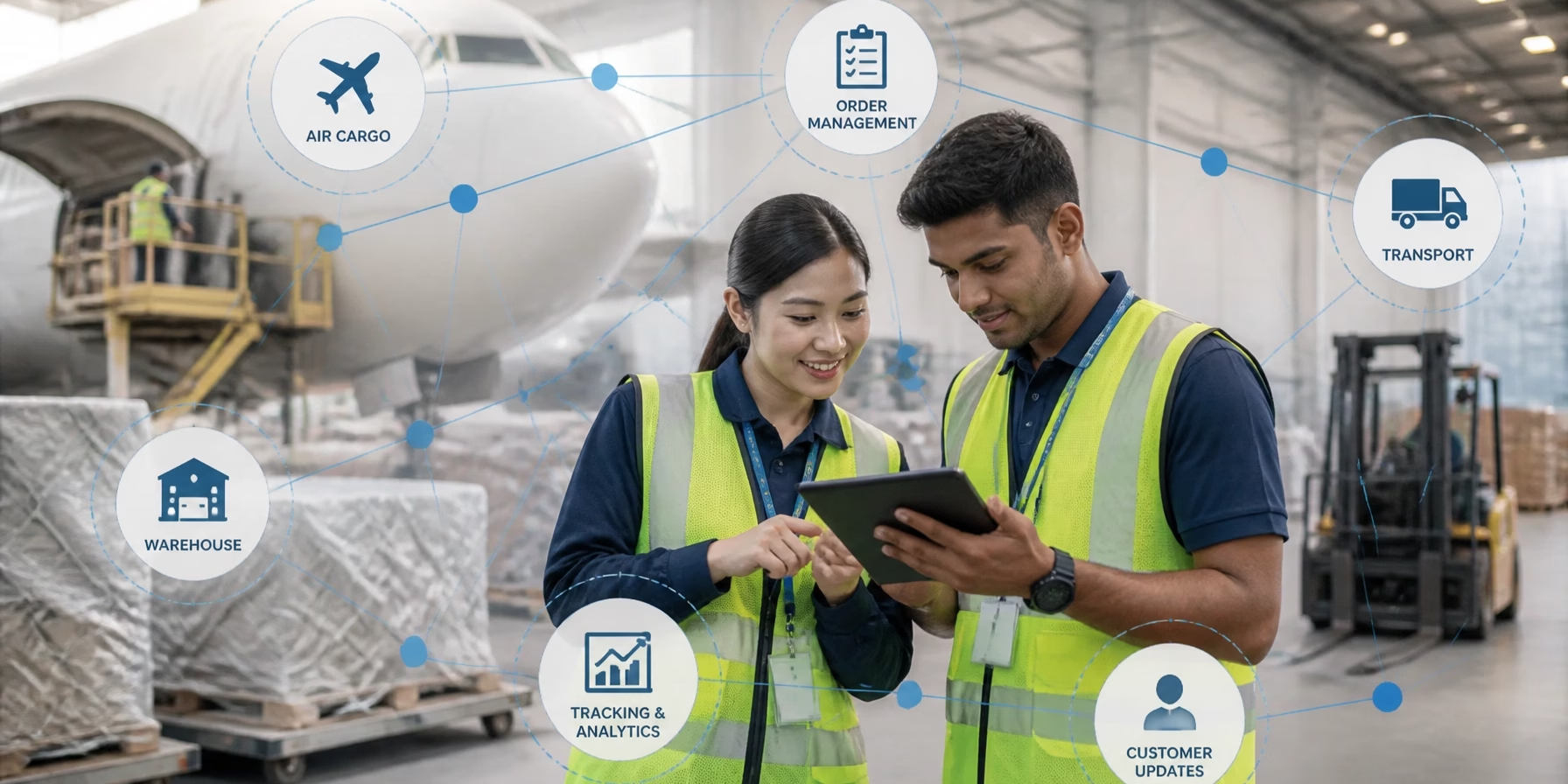
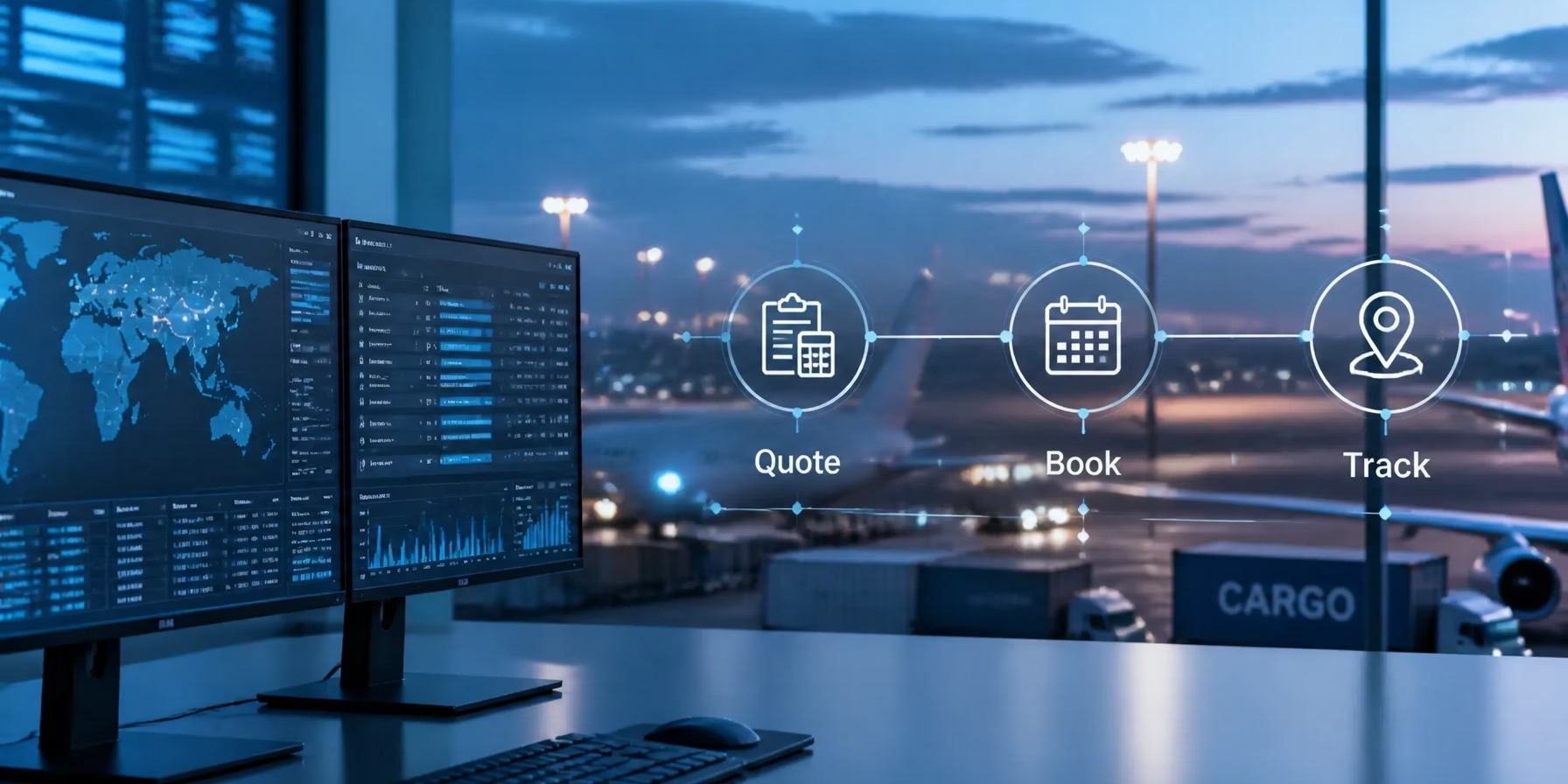
We built Plug-In Freight Ops™ to sit above existing systems, standardizing the workflow so that your team spends less time digging through emails and more time making high-value decisions.

Augmented Intelligence: AI as Your Co-Pilot
Instead of replacing the pilot, we’re upgrading the cockpit. This is what we call Augmented Intelligence. It’s the use of technology to enhance human judgment, especially during critical handoffs and exceptions.
Here is how that looks in practice:
- Triage over Trash: Instead of a list of 500 status updates, the system surfaces the three shipments that actually need a human eyes-on.
- Structured Handoffs: The platform ensures that when freight moves from an airline to a trucking provider, both parties have the same data, reducing the “he-said, she-said” friction.
- Audit-Ready Oversight: Because the system coordinates the workflow, humans can focus on execution knowing that the data trail is being built automatically for compliance and CUI security requirements.
Managing the “Messy Bits” (Exceptions)
Logistics is essentially the art of managing exceptions. Whether it’s a temperature excursion in a pharma shipment or a late gate arrival, these are the moments where execution fails.
AI excels at detecting these anomalies early. But humans excel at resolving them. By providing a unified coordination layer, we allow coordinators to see the why behind a delay and execute a fix across multiple stakeholders simultaneously.
Stop “firefighting” and start executing. You can read more about our approach to this in our guide to Exception Management 101.

Empowering the Workforce Pipeline
The “Human Element” isn’t just about the people you have today; it’s about the workforce of tomorrow. This is the core of our WIN initiative.
By standardizing workflows into a digital execution layer, we make it easier to onboard new talent. We are closing the gap between the classroom and the tarmac by giving students and new hires a “system of record” that guides them through the complex world of air cargo and infrastructure logistics.
When the technology is intuitive and the workflows are structured, you reduce the “onboarding lag” and turn new hires into productive “pilots” of the logistics engine much faster.

Visibility is Good. Execution is Better.
We often hear companies brag about “end-to-end visibility.” But knowing your cargo is stuck in a warehouse doesn’t get it to the destination.
Visibility is a spectator sport. Execution is an active one.
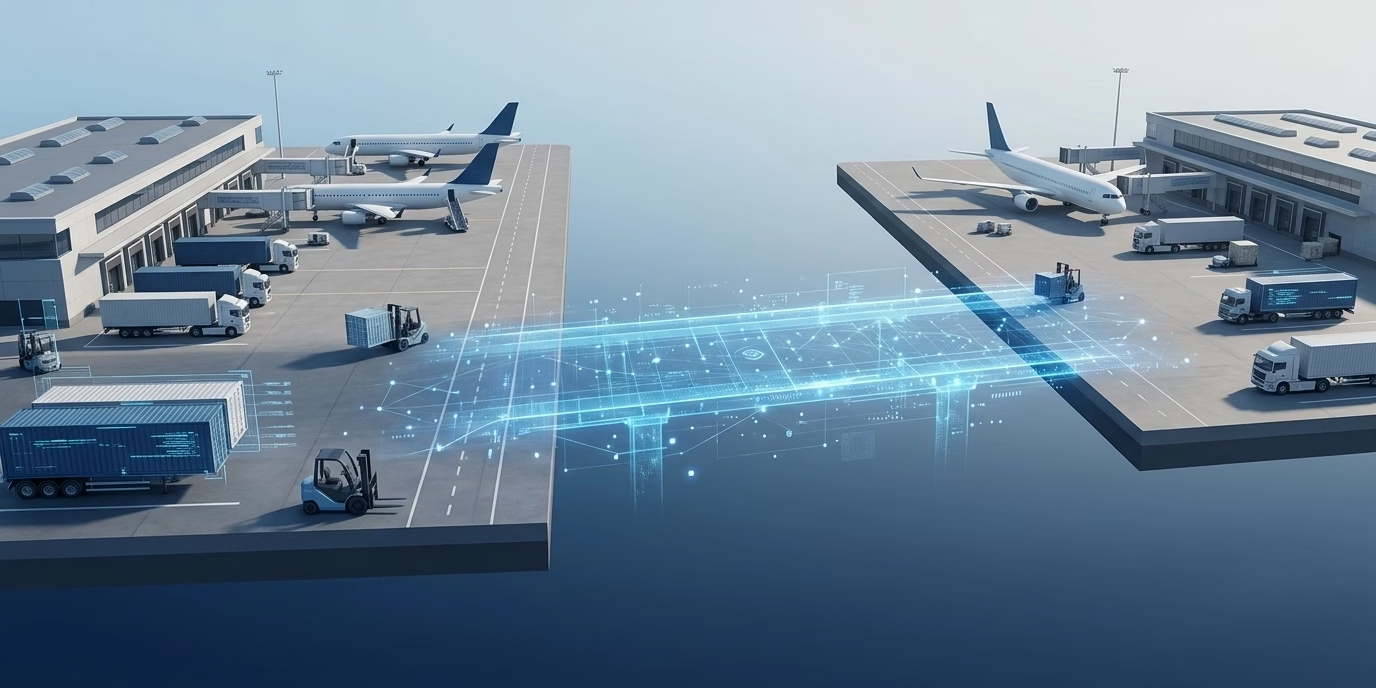
Plug-In Freight Ops™ moves beyond visibility to provide execution accountability. It tracks not just where the cargo is, but who is responsible for the next step and whether that step has been completed. It connects airlines, GSAs, and ground handlers into a single, coordinated workflow that keeps the mission moving.
What This Means for Your Operation
If you are managing a complex logistics network or a large-scale infrastructure program, you don’t need more “data.” You need more control.
By focusing on the human factors: how your team interacts with data, how they handle exceptions, and how they coordinate with partners: you build a more resilient operation.
- Reduce Risk: Ensure every handoff is documented and every stakeholder is accountable.
- Increase Speed: Eliminate the manual back-and-forth that slows down the shipment lifecycle.
- Improve Performance: Use data-driven insights to track partner accountability and refine your workflows.

Let’s Map Your Environment
The “Human Element” isn’t a soft metric: it’s a competitive advantage. When your people are empowered by the right execution infrastructure, they perform better, stay longer, and deliver more value to your customers.
We typically address these challenges through a focused pilot program where we map the Plug-In Freight Ops™ layer to your current operation.
Ready to see how augmented intelligence can improve your execution?
We’re happy to walk through how this would apply in your specific environment. Connect with us today to start the conversation.