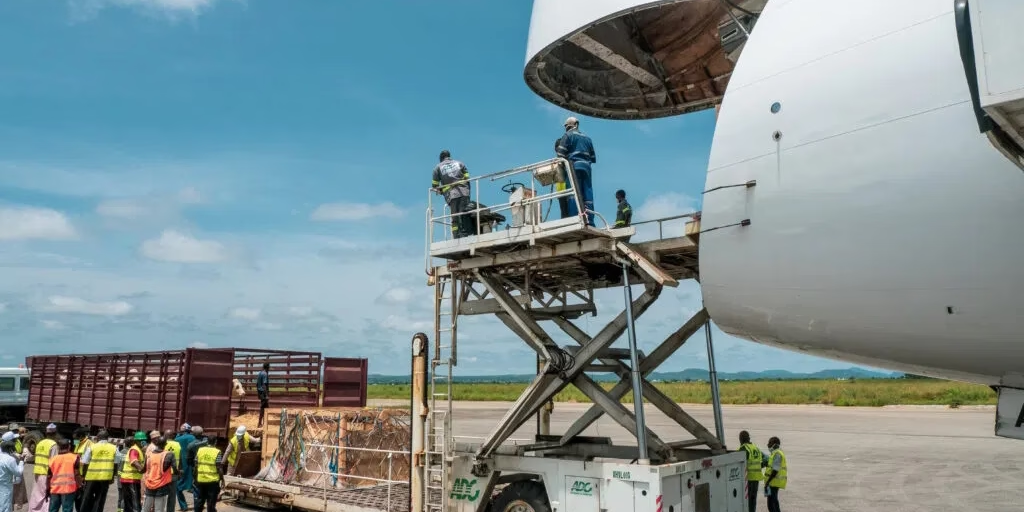
A cargo handoff does not fail because one organization is necessarily incapable of doing its job. It fails when the airline, ground handler, forwarder and trucker are working from different readiness assumptions, and no one has clear responsibility for confirming the next action.
That gap is becoming more consequential as air cargo networks become more distributed, data moves through more systems, and service expectations depend on tighter cut-off and slot windows. The industry has more visibility than ever. It does not always have coordinated resolution.
The industry shift
Air cargo handoffs are still frequently coordinated through email, phone calls, portals and spreadsheets. Those tools may contain the information required to move a shipment, but they rarely provide one shared operating view of whether the handoff is actually ready.
Common failure points include:
- Documentation is present but not confirmed as complete or acceptable.
- Cargo has arrived at the facility but is not physically ready for pickup.
- A truck arrives before the assigned dock, labor or handling equipment is available.
- ULD availability does not match the planned build-up or breakdown activity.
- A slot is booked without confirming cargo, documentation and resource readiness.
- Airline cut-off times change without a clear escalation path across partners.
- Import freight is released in one system while delivery coordination remains elsewhere.
- Exceptions move between handler, airline and forwarder without a named owner.
- Performance reviews measure final outcomes without showing where the handoff weakened.
- Status is visible, but the next action is not assigned or acknowledged.
A handoff is more than the physical movement of freight. It consists of four connected conditions:
- Documentation readiness: the required shipment, customs, security and handling information is available and fit for the next step.
- Physical readiness: the cargo or ULD is available, identifiable and prepared for transfer.
- Resource readiness: the dock, staff, equipment and operating window are aligned.
- Confirmation: the receiving party knows what is ready, what remains open and who owns the next action.
Without the fourth condition, the first three may not produce an executable handoff.

The execution layer
The need is not another isolated tracking tool. It is a coordination layer for fragmented execution: one that complements airline systems, handler systems, forwarder workflows, cargo community systems and industry standards.
IATA’s ONE Record establishes a common approach to sharing air cargo data. IATA’s e-freight and e-AWB guidance supports the movement away from paper-based transport documentation. Cargo iQ provides process discipline and milestone visibility.
These initiatives are important. They carry information and establish shared practices.
They do not, by themselves, assign operational responsibility across organizations or confirm that a handoff is ready to occur. That is the role of an execution coordination layer.
1. Handoff coordination
Coordinate the conditions surrounding an air cargo handoff: document readiness, cargo readiness, dock and slot alignment, staffing, equipment availability, flight cut-offs and delivery windows.
The objective is not to replace existing workflows. It is to make the transition between them more structured and visible.
2. Partner visibility
Give airlines, handlers, forwarders and truckers a clearer view of the same operational event.
The key question is not only, “Where is the shipment?” It is also, “Which party is waiting, what is missing, and who must act next?”
3. Operational accountability
Record responsibility at the points where cargo changes hands.
A useful handoff view should make it easier to understand what was expected, what was confirmed, which party owned the next action, and whether an exception was escalated.
4. Performance review
Create a more useful basis for reviewing handoff performance.
Instead of examining only final delivery or flight performance, stakeholders can evaluate readiness confirmation, waiting points, missed windows, exception response and recurring coordination gaps.
This is the operating context addressed by Plug-In Freight Ops™: digital execution infrastructure that sits above fragmented systems and coordinates multi-stakeholder execution.
Network view
Ground handler coordination connects a broad operating network:
- Airlines and airline cargo operations
- Freight forwarders and consolidators
- Ground handling agents
- Trucking providers, dispatchers and drivers
- Airport cargo facilities and warehouse teams
- Customs, security and government stakeholders
- Cargo community systems and data-sharing participants
The execution sequence may look simple:
Quote → Book → Pre-advise → Assign → Prepare → Confirm → Handoff → Track → Escalate → Report
The operational reality is more complex.
An export handoff may begin with the forwarder providing shipment information and the airline confirming acceptance. The handler then needs enough information, cargo readiness and capacity to receive the freight. The trucker needs a confirmed window, facility access and clear instructions. The airline needs confidence that the freight will reach the required handling point before the flight cut-off.
An import handoff is asymmetric. The cargo may already be at the destination, but the next movement depends on arrival processing, document status, customs or security release, handler preparation, consignee instructions and truck availability. Physical arrival does not equal delivery readiness.
That asymmetry is one reason generic shipment visibility is insufficient. Export and import handoffs have different readiness conditions, ownership patterns and failure consequences.
Use cases, where this creates measurable value
Dock slot and readiness coordination
A dock appointment should represent more than a time on a calendar. It should be connected to the operational conditions required for the movement: cargo availability, documentation status, handling capacity, staffing, equipment and the relevant cut-off or delivery window. A coordination layer can make readiness visible before a truck is treated as confirmed.
Export handoff confirmation
For export cargo, the critical question is whether the freight has been accepted into the intended execution path. Airlines, forwarders, handlers and truckers need a shared confirmation that the cargo, documents, resources and timing are aligned. If one condition remains open, the exception should be visible before it becomes a missed flight risk.
Import release and delivery coordination
For imports, the handoff often shifts from airline and handler control toward forwarder, trucker and consignee execution. A shared view can distinguish cargo arrival from cargo release, physical availability from delivery readiness, and planned pickup from confirmed pickup.
Documentation readiness
Digital data exchange can reduce duplicate entry and improve information flow. ONE Record and e-AWB practices are examples of industry efforts to improve data sharing and reduce paper friction. The remaining operational question is whether the responsible party has reviewed the information and confirmed that the next action can proceed.
Exception escalation
A missing document, unavailable ULD, delayed flight, full dock, missed appointment or cargo discrepancy can affect three organizations at once. Exception handling should therefore support coordinated escalation between the handler, airline and forwarder, not a series of disconnected messages in which each party sees only part of the problem.
Handoff performance review
A handoff review can examine where time was lost, whether readiness was confirmed, how often parties had to chase updates, and whether exceptions reached the right owner. This creates a stronger operational conversation than reviewing only whether the final shipment milestone was late.

Visibility | Control | Speed | Accountability
Visibility
See readiness, ownership, exceptions and handoff status across organizational boundaries.
Control
Coordinate the conditions required for the next action without replacing existing systems.
Speed
Reduce avoidable waiting, duplicate follow-up and late discovery of readiness gaps.
Accountability
Create a clearer record of who owned the action, what was confirmed and how the exception was resolved.
This complements the broader execution needs described in ImEx Cargo’s trucking network execution infrastructure and cargo coordination solutions.
Pilot access
A focused pilot can examine one handoff workflow without requiring an organization to redesign its entire operating environment.
-
Select the workflow
Choose export receipt, import release, dock slot coordination, airport transfer, documentation readiness or exception escalation. -
Define the participants
Identify the airline, handler, forwarder, trucking provider, warehouse team and other stakeholders involved in the selected workflow. -
Configure execution
Establish the handoff stages, readiness confirmations, responsibility points and reporting view needed for the operating scenario. -
Measure outcomes
Review confirmation gaps, waiting points, manual follow-up, exception visibility, handoff timing and ownership clarity.
The goal is not to claim that technology alone resolves a complex cargo operation. The goal is to determine whether a structured coordination layer gives the participating organizations a clearer way to act together.
Closing perspective
Air cargo data exchange is advancing. Standards, e-AWB practices, Cargo iQ milestones, Cargo Community Systems and connectivity initiatives such as IATA Cargo Connect and EPIC make information more accessible across the ecosystem.
The next operational requirement is responsibility.
Data can show that cargo arrived. It cannot, by itself, confirm that the receiving party is ready, the dock is available, the documents are accepted or the truck should proceed. Visibility does not equal coordinated resolution.
Ground handler coordination requires an execution layer that connects information to assigned action, structured handoffs and operational accountability.
Organizations evaluating this gap can Request a Pilot around a defined airport, station, lane or handoff workflow. Ground handlers, airlines, forwarders and trucking providers can also Join the Ecosystem to explore a coordinated operating model.
Author Bio
Michelle DeFronzo is the Founder and CEO of ImEx Cargo, a woman-owned logistics and freight-technology company. She builds modular infrastructure that modernizes access and collaboration in operational industries without requiring organizations to replace the systems they already use.
Her work focuses on platform strategy, ecosystem design and execution coordination across airlines, GSAs, freight forwarders, trucking providers, government stakeholders, DBE networks and workforce partners. Through Plug-In Freight Ops™, she is advancing a digital execution infrastructure model built around interoperability, accountability and coordinated action.
Frequently asked questions
What does a cargo handoff between an airline, ground handler and trucker include?
It includes documentation readiness, physical cargo or ULD readiness, resource readiness such as dock capacity and staffing, and confirmation of who owns the next action.
Why does cargo visibility not guarantee a successful handoff?
Visibility can show shipment status or location, but it may not show whether documents are accepted, the cargo is physically ready, a dock is available or responsibility has been acknowledged by the next party.
How do export and import handoffs differ?
Export handoffs typically focus on acceptance, documentation, preparation and movement toward a flight cut-off. Import handoffs depend on arrival processing, release status, handler preparation, delivery instructions and truck coordination.
How do ONE Record and e-AWB relate to ground handler coordination?
ONE Record and e-AWB practices improve data sharing and reduce information friction. They are complementary to an execution coordination layer, which focuses on assigning responsibility, confirming readiness and coordinating action across organizations.