The logistics industry is often misunderstood. For many, the word "logistics" conjures images of heavy lifting, dusty warehouses, and manual labor. While moving physical goods remains the core of the global economy, the way those goods move has undergone a radical transformation.
By 2026, the industry has shifted away from "muscle-first" operations toward digital orchestration. This evolution has opened a massive door for students, military veterans, and career-changers. If you are looking for a career that combines technology, global impact, and professional growth, you are looking at the modern supply chain.
At ImEx Cargo, we call this the "Traffic Engine." It’s a workforce pipeline designed to turn beginners into execution experts. This guide will walk you through how to navigate this new landscape and why your background: regardless of where you’re starting: is more valuable than you think.
The Shift: From Manual Labor to Digital Orchestration
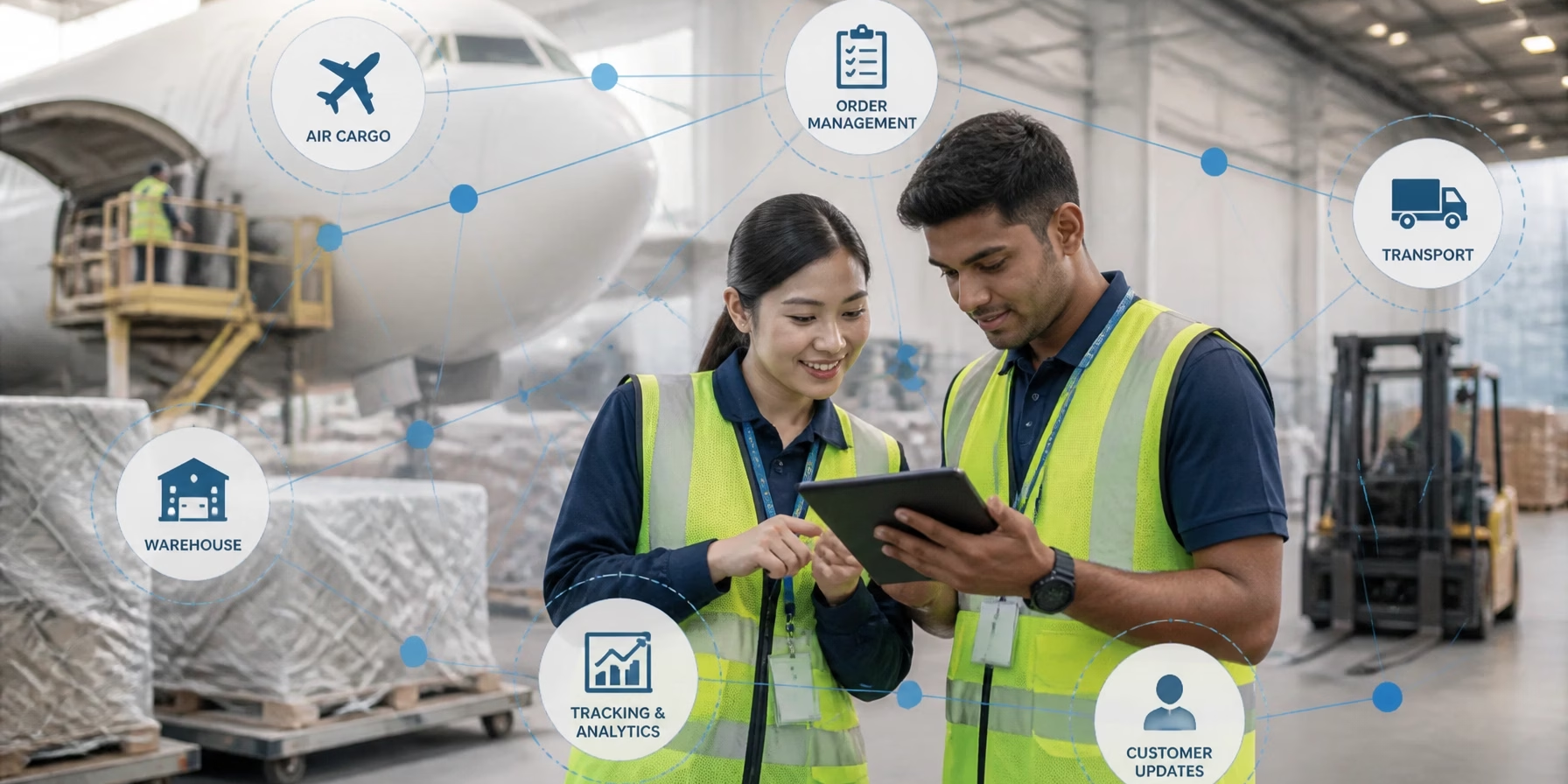
In the past, a career in logistics usually started on the warehouse floor or behind the wheel of a truck. Today, while those roles are still vital, they have become tech-enabled. We are seeing a move toward roles that require "mind-work" over "muscle-work."
Digital orchestration is the process of managing complex logistics workflows through technology. Instead of just moving a box, you are now managing the data that moves the box. This involves:
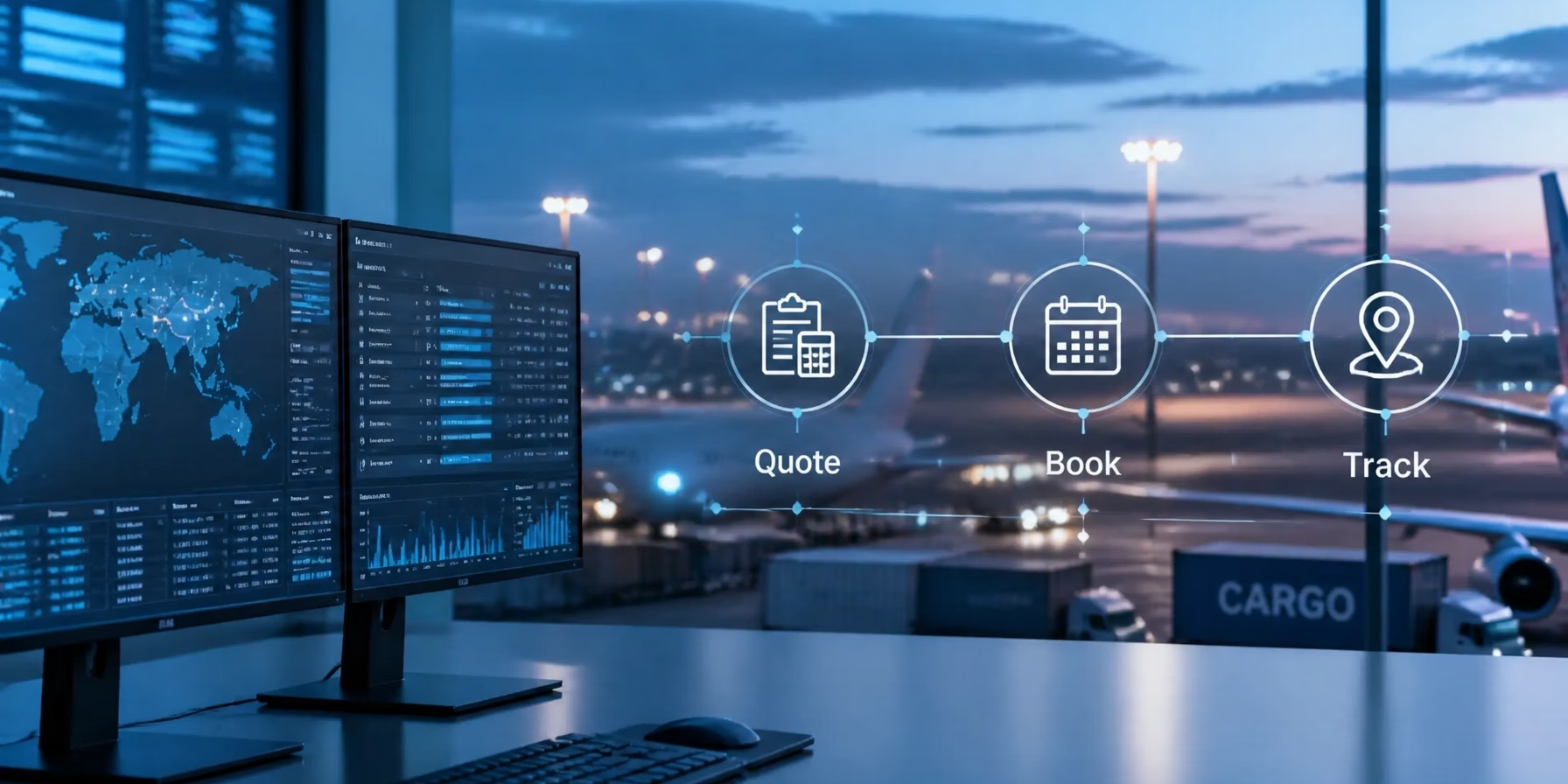
- Workflow Standardization: Using platforms like Plug-In Freight Ops™ to manage a shipment from the initial quote to final delivery.
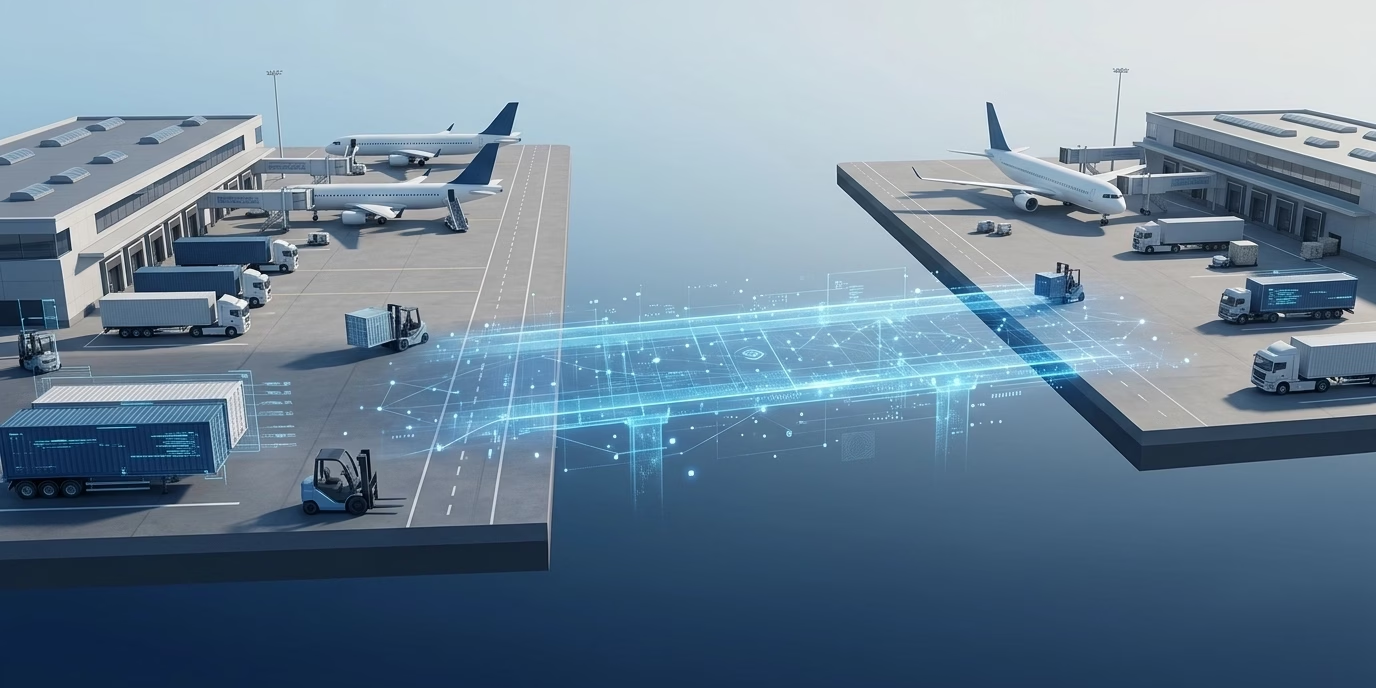
- Real-Time Coordination: Synchronizing airlines, trucking providers, and government agencies into one cohesive flow.
- Data-Driven Decision Making: Interpreting dashboards to resolve delays before they become disruptions.
For a career-changer, this shift is great news. It means that "soft skills": communication, problem-solving, and attention to detail: are now just as important as technical logistics knowledge.
Why Logistics? Stability, Growth, and Impact
Logistics is the backbone of the world. It is one of the few industries that remains essential regardless of economic shifts. However, beyond stability, the modern supply chain offers a unique path for professional advancement.
- Low Barrier to Entry, High Ceiling: You don't need a PhD in supply chain management to get started. With the right training, you can move from an entry-level coordinator to a program manager in a few years.
- Tech-Forward Environment: You aren't just using old-school spreadsheets. You are working with execution infrastructure that tracks global movements in real-time.
- Cross-Industry Versatility: Once you master logistics execution, those skills apply to manufacturing, retail, government infrastructure, and international trade.

The Roadmap: Three Stages of Your Career
If you are just starting, it helps to see the path ahead. Most modern logistics professionals follow this progression:
1. The Entry-Level Coordinator (The Power User)
Your journey often starts with mastering the digital tools. You might start as a logistics analyst intern or a transportation coordinator. In this phase, you are learning the "language" of logistics: knowing how to handle quotes, bookings, and milestone tracking.
- Focus: Learning the Plug-In Freight Ops™ portal and understanding how data flows between stakeholders.
2. The Execution Specialist (The Problem Solver)
Once you understand the tools, you move into coordination. Here, you aren't just inputting data; you are managing the handoffs. You are the person ensuring that when an airplane lands, the trucking provider is ready and the customs documentation is clear.
- Focus: Accountability and partner management.
3. The Orchestration Manager (The Strategic Lead)
At this level, you are overseeing entire programs. You might be managing a massive infrastructure project or a multi-party airline network. Your job is to reduce fragmentation and ensure that the entire system is performing at peak efficiency.
- Focus: Workflow optimization and ecosystem activation.
For Veterans: Why Your Experience Maps Perfectly
Transitioning from military service to civilian life can be challenging, but logistics is one of the most natural fits for veterans.
In the military, you understand mission-driven execution. You know how to operate in complex, multi-stakeholder environments where visibility and accountability are matters of life and death. Modern logistics coordination: especially in our Government Logistics Infrastructure Support: requires that exact same mindset.
Whether you were in supply, transport, or operations, your ability to follow structured workflows and manage high-pressure handoffs makes you a top-tier candidate for digital orchestration roles.

The ImEx Cargo Pipeline: How to Get Started
We believe that the best way to build a workforce is to create a clear, accessible pipeline. Through our Workforce Innovation Network, we offer several pathways for beginners:
ImEx Cargo Academy
The ImEx Cargo Academy is our training hub. It provides structured courses that take you from "logistics curious" to "logistics expert." These programs are designed to be practical, focusing on the real-world skills you need to operate in a digital execution environment.
- Logistics & Supply Chain Fundamentals: The building blocks of the industry.
- Digital Freight Operations: Hands-on training with modern workflow tools.
- Workforce Readiness: Developing the communication and accountability skills required for professional environments.
Internships & Apprenticeships
We don’t just teach; we provide a place to practice. Our Supply Chain Analyst Internships allow students and career-changers to work directly with our execution teams. You get hands-on experience managing real shipments and using the same technology as our global partners.

Mastering the Dashboard: Your New Office
In the modern era, your "office" isn't just a desk: it's a dashboard. Success in logistics now means being able to navigate digital execution layers that provide 360-degree visibility.
When you join a team like ImEx Cargo, you aren't just managing emails; you are operating within a centralized control center. This allows you to see exactly where a shipment is, which partner is responsible for the next move, and where the potential bottlenecks are. This level of control is what separates a standard logistics worker from a master of execution.

Next Steps for Your Career
The logistics industry is no longer a "fallback" career: it is a destination for tech-savvy, ambitious individuals who want to be at the center of global commerce.
If you are ready to move from manual tasks to digital orchestration, here is how to take your first step:
- Explore the Academy: Sign up for a foundational course to build your credentials.
- Join the Talent Pipeline: Check our Workforce Ecosystem for current internship opportunities.
- Start the Conversation: If you’re a veteran or a student looking to map your skills to this industry, we are happy to walk you through how your background fits our environment.
The "Traffic Engine" is moving. Are you ready to get on board?
Ready to explore a career in logistics execution? Contact us today to learn more about our workforce programs or to discuss a pilot partnership.