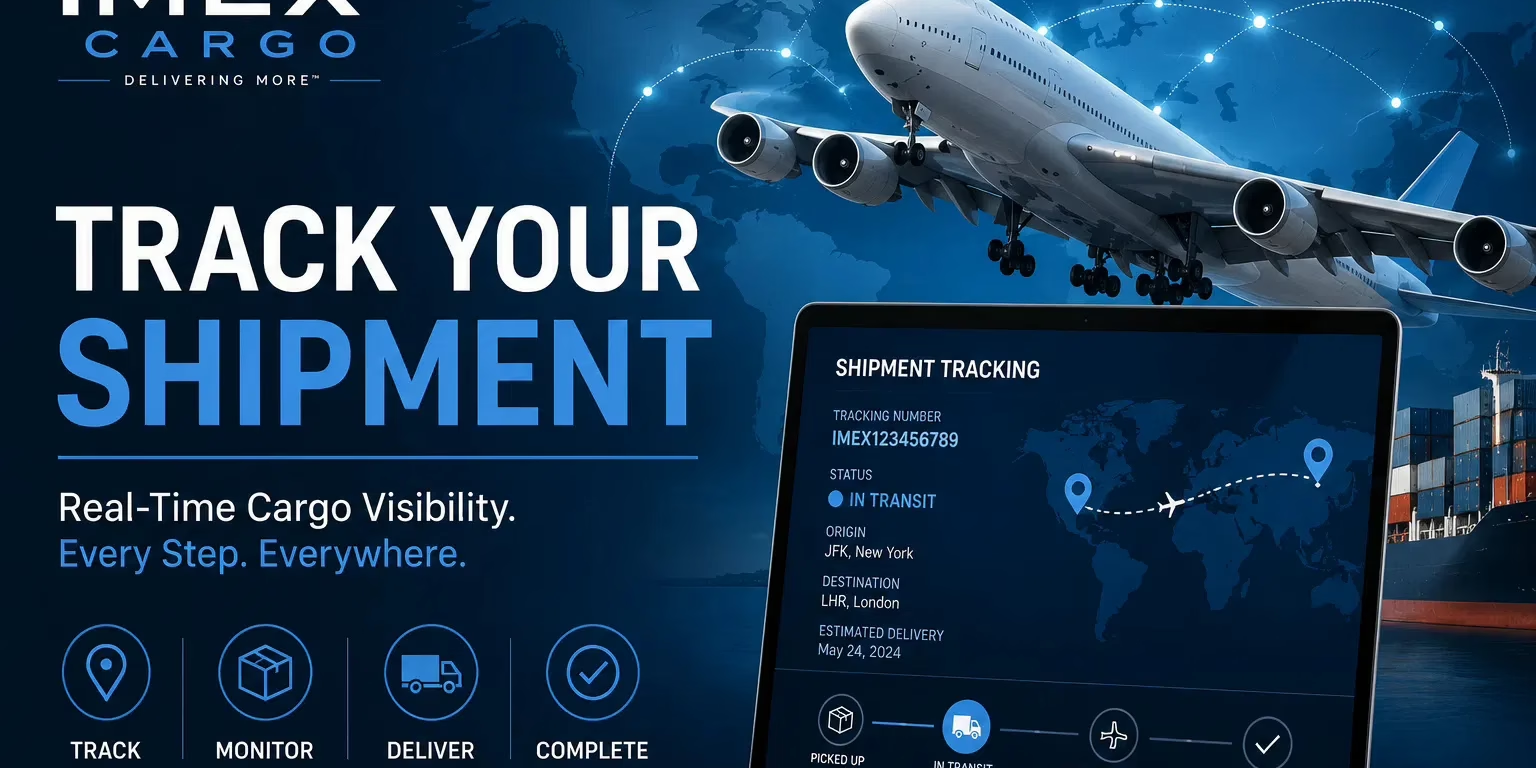
In the modern logistics landscape, finding a truck, a plane, or a vessel has never been easier. The rise of the freight marketplace has revolutionized how shippers source capacity, turning what used to take dozens of phone calls into a single digital click.
However, once the booking is confirmed, the digital experience often ends. The "match" is made, the price is set, and then the shipment enters a black hole of manual emails, fragmented handoffs, and disconnected status updates.
This is where the distinction between a freight marketplace and digital freight execution infrastructure becomes critical for enterprise and government stakeholders.
Marketplaces help organizations find transportation. Plug-In Freight Ops™ helps organizations execute transportation.
What is a Freight Marketplace?
A freight marketplace is primarily a capacity procurement and matching tool. It functions similarly to a digital auction house or a ride-sharing app for cargo. Shippers post a load, and carriers or brokers bid on it based on price and availability.
Key characteristics include:
- Transaction Focus: The primary goal is to close a deal: matching a load to a carrier.
- Price Discovery: Marketplaces excel at showing you the current market rate for a specific lane.
- Spot Capacity: They are the "go-to" solution for overflow freight or one-off shipments that fall outside your standard contracts.
While marketplaces are vital for sourcing, they are typically not designed to manage what happens next. They are a "matching layer," not an "execution layer."

What is Plug-In Freight Ops™?
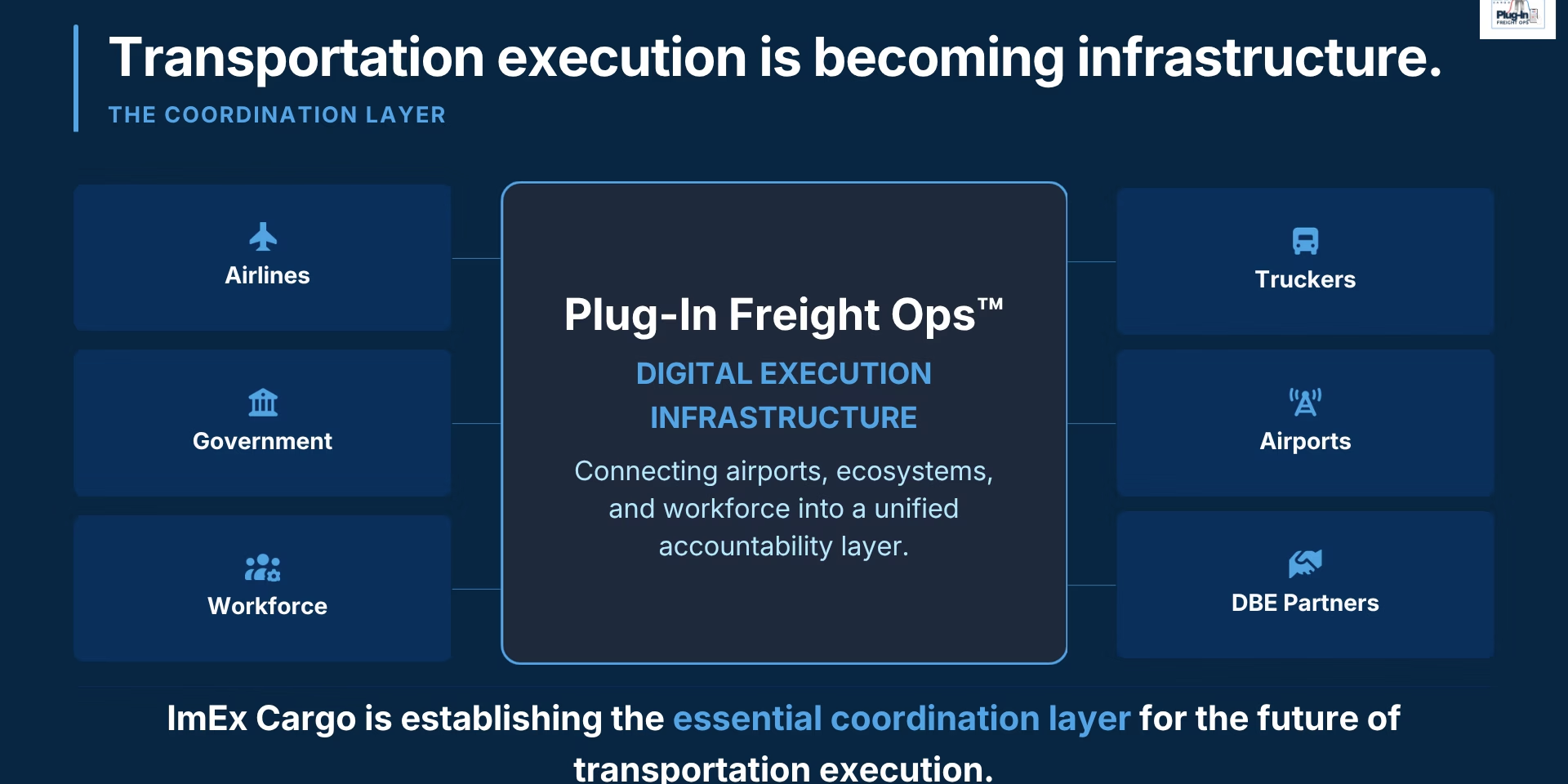
Plug-In Freight Ops™ is digital freight execution infrastructure. It is not a place to buy capacity; it is a coordination layer that sits above your existing systems: including your marketplaces and TMS: to manage the entire shipment lifecycle across multiple stakeholders.
Instead of just matching a buyer and a seller, Plug-In Freight Ops orchestrates the logistics orchestration required to move cargo from point A to point B through a fragmented ecosystem of airlines, GSAs, trucking providers, warehouses, and government agencies.
The Execution Gap
In complex logistics environments, the "match" is only about 10% of the work. The remaining 90% is execution:
- Standardizing handoffs between three different carriers.
- Ensuring workforce compliance and DBE participation.
- Managing digital documentation and customs clearance.
- Providing real-time accountability when a delay occurs.
Side-by-Side: The Core Differences
To understand where your organization should focus its technology investment, it helps to see how these two categories interact with the shipment lifecycle.
| Capability | Freight Marketplace | Plug-In Freight Ops™ |
|---|---|---|
| Primary Goal | Finds capacity | Coordinates execution |
| Philosophy | Transaction-focused | Workflow-focused |
| Key Event | The Booking | Operational execution |
| Connection Type | Carrier matching | Cross-enterprise collaboration |
| Outcome | Competitive Pricing | Accountability & Performance |
| Scope | One transaction | Entire shipment lifecycle |
| Stakeholders | Buyer & Seller | Entire Ecosystem (Airlines, GSA, Government, Workforce) |
Why "The Match" is Not Enough
For high-stakes projects: such as federal infrastructure programs or international air cargo GSA operations: relying solely on a marketplace creates significant risk.
When execution breaks down, it usually happens at the "handoff" points. A marketplace might tell you that a carrier picked up your cargo, but it won't tell you if the specialized workforce required for the offload is on-site or if the government-mandated DBE documentation is being tracked in real-time.
Plug-In Freight Ops provides a cargo execution command center that captures these granular details. It transforms a transaction into a governed logistics orchestration where every stakeholder: regardless of their internal tech stack: is plugged into a single source of truth.

Complementary, Not Competitive
It is important to note that Plug-In Freight Ops does not replace marketplaces. In fact, it makes them more effective.
An enterprise might use a marketplace to find a specialized carrier for an infrastructure project. Once that carrier is "matched," they are instantly plugged into the Plug-In Freight Ops execution layer. This ensures the carrier follows the project's specific structured workflows, meets compliance standards, and provides the supply chain execution visibility the prime contractor requires.
The Workflow Flow:
- ERP/TMS: Initiates the order.
- Marketplace: Finds the capacity and sets the price.
- Plug-In Freight Ops: Orchestrates the execution, tracking, handoffs, and accountability until delivery.
Building a Resilient Execution Layer
As supply chains become increasingly fragmented, the "find it and forget it" model of freight marketplaces is no longer sufficient for complex operations. Organizations need a neutral coordination infrastructure that provides oversight across the entire ecosystem.
By implementing a freight operating system like Plug-In Freight Ops, you move beyond the transaction. You gain the ability to activate partner ecosystems: including certified DBE networks and workforce pipelines: within a unified system.
This approach reduces fragmentation, improves execution speed, and provides the audit-ready oversight required for modern government and enterprise logistics.
Moving Beyond the Match
If your organization is struggling with "status chasing," manual handoffs, or a lack of partner accountability after the booking is made, you aren't looking for another marketplace: you are looking for an execution layer.
At ImEx Cargo, we specialize in mapping these complex environments and deploying the coordination infrastructure needed to bridge the execution gap.
Ready to move beyond the match?
- Explore the Digital Freight Infrastructure
- Learn about Workforce Activation Pilots
- Schedule a Capability Walkthrough
We typically address these challenges through a focused pilot designed to map your current execution environment and identify where coordination breaks down. We can walk through how this would apply to your specific stakeholder ecosystem.